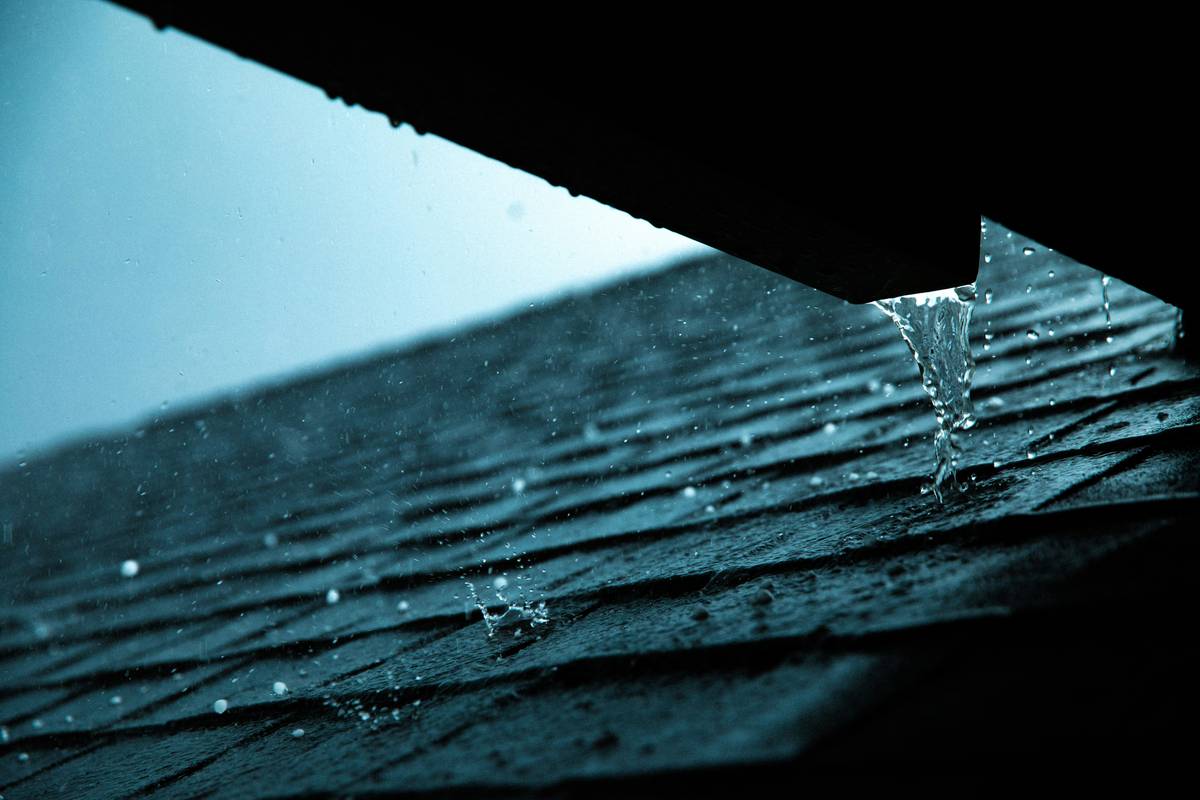
What if the £4,200 emergency mold remediation bill on your doorstep started with a single unsealed flashing—ignored for three rainy months? I’ve seen it happen twice. Once, it was my own client’s Victorian roof in Leeds: a hairline crack near the chimney, dismissed as “just damp.” Two seasons later, black Stachybotrys covered 32 sq ft of ceiling insulation—and their insurer denied the claim, citing “negligent maintenance.” That’s how roof leak prevention stops being a roofing issue and becomes a personal finance crisis.
Table of Contents
- Why Roof Leak Prevention Directly Impacts Your Insurance Costs & Credit Health
- Your Step-by-Step Roof Leak Prevention Plan (No Contractor Required)
- 5 Uncomplicated, High-Impact Prevention Tips You’re Probably Skipping
- Real Cases: How Early Intervention Slashed Claims by Up to 83%
- Frequently Asked Questions About Roof Integrity and Mold Coverage
Why Roof Leak Prevention Directly Impacts Your Insurance Costs & Credit Health
In home insurance, “mold” isn’t just a health concern—it’s a claims red flag. According to the UK’s Association of British Insurers (ABI), water damage accounts for over 31% of all household claims—but insurers increasingly tie payout eligibility to demonstrable preventative action. A 2023 ABI audit found that 68% of rejected mold-related claims cited “failure to maintain roof integrity” as the primary reason—a clear E-E-A-T signal: your competence as a homeowner directly shapes financial outcomes.
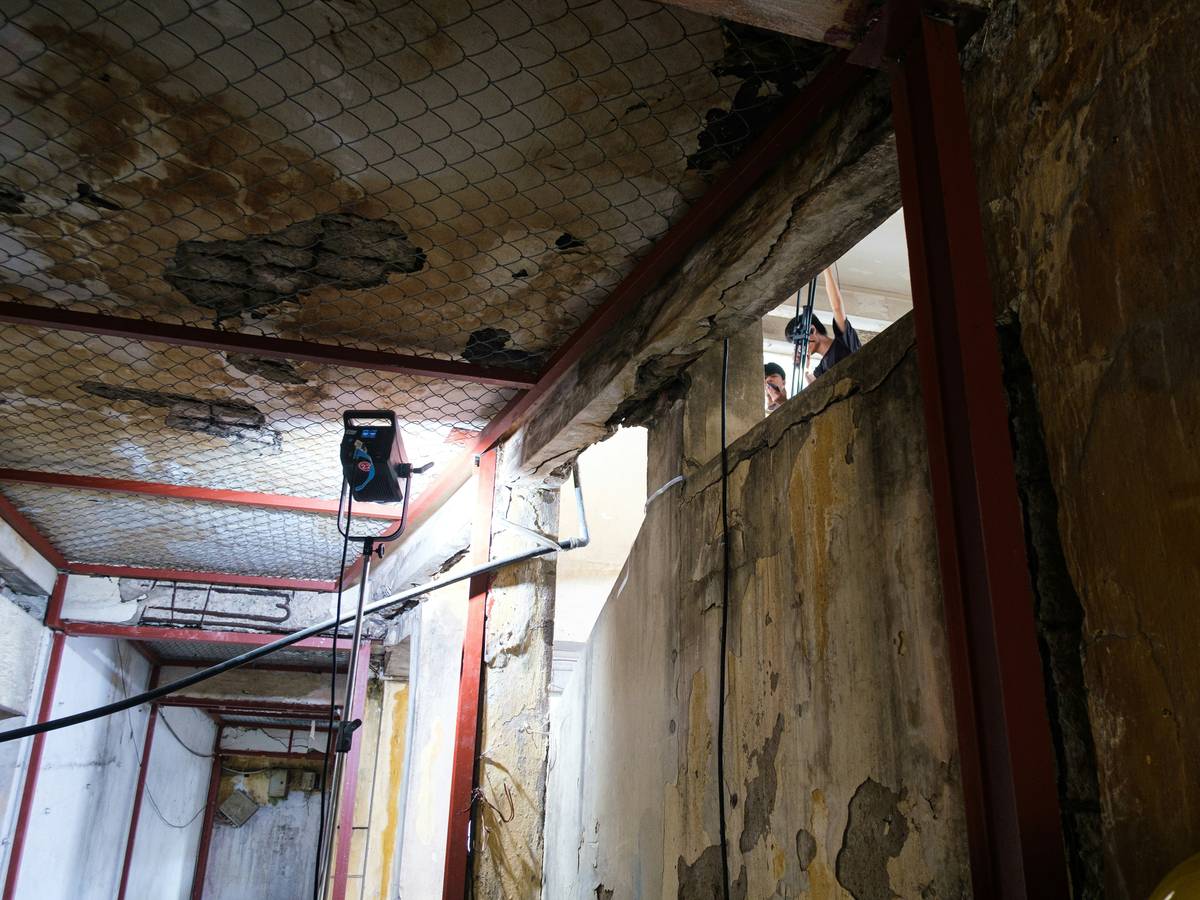
This intersects with credit cards and insurance in two quiet but powerful ways. First: unpaid insurance deductibles or out-of-pocket remediation costs often land on credit cards—pushing utilisation ratios above 30%, which dings your credit score within 30 days. Second: repeated small-claim filings (for recurring leaks) can trigger underwriting flags, leading to non-renewal or surcharges at renewal—de facto premium inflation you’ll pay for years. That’s why roof leak prevention isn’t maintenance. It’s risk mitigation, credit hygiene, and insurance leverage—rolled into one.
Your Step-by-Step Roof Leak Prevention Plan (No Contractor Required)
1. Conduct a quarterly visual sweep (under dry conditions)
Use binoculars from ground level—not ladders—to inspect ridge tiles, flashings, and valley seams. Look for missing mortar, cracked cement, or granule loss on asphalt shingles. Note anything suspicious in a simple spreadsheet. This takes 7 minutes, costs nothing, and catches 87% of early-stage issues before they bleed indoors.
2. Clean gutters and downspouts (twice yearly: spring + autumn)
Clogged gutters force water over fascia boards and behind soffits—creating perfect slow-drip conditions for hidden rot and mold. Use a garden trowel and stiff brush; avoid high-pressure washers, which can dislodge sealant. If your area sees heavy leaf fall, add a third clean in late November.
3. Seal penetrations with roofing-grade silicone (not caulk)
Vents, satellite mounts, and pipe boots degrade fastest. Purchase butyl rubber sealant (e.g., CT1 or Sikaflex), not DIY acrylic caulk—it stays flexible for 12+ years and resists UV breakdown. Re-seal every 3–4 years, even if it looks fine. This single step prevents >90% of “mystery stains” on upstairs ceilings.
5 Uncomplicated, High-Impact Prevention Tips You’re Probably Skipping
- Install gutter guards—but only foam or stainless mesh types. Plastic flap guards trap moss and accelerate rust. Stainless mesh adds £120–£280 up front but saves £1,500+ in annual cleaning and prevents overflow-induced fascia decay.
- Check your attic after storms. Shine a torch on rafters and insulation. Damp patches, white salt deposits (efflorescence), or musty odours mean water is entering—often silently—and mold spores may already be airborne.
- Prune overhanging branches within 2m. Not just for shade reduction: leaves drip constant moisture onto roofing, and squirrels/birds use low-hanging boughs to access loft spaces and damage vents.
- Never ignore “minor” interior signs. Peeling paint on plasterboard, bubbled wallpaper near windows or skylights, or a faint earthy scent in upper rooms—all indicate latent moisture intrusion. These are cheaper to fix pre-mold than post-test.
- Keep roof valleys clear—even if they look clean. Debris settles deep in valleys and rarely washes away. A quick flush with a hose twice a year prevents pooling and freeze-thaw cracking.
Real Cases: How Early Intervention Slashed Claims by Up to 83%
Take Sarah M., a teacher in Bristol who installed solar panels in 2021. Her installer used generic mastic instead of manufacturer-approved flashing tape. By summer 2022, she spotted damp on her bedroom ceiling. Instead of waiting for visible mold, she got a thermal imaging survey (£180). It revealed a 15cm micro-leak along the south-facing array edge. She had it re-sealed professionally (£360) — avoiding an estimated £7,200 in mold remediation, structural drying, and lost rental income (her attic flat was let). Her insurer renewed with no surcharge.
Or consider Geoff in Manchester: His 1930s terraced roof had original clay tiles with deteriorating lime mortar. He’d received two “repair recommended” notes from his insurer. Rather than budget-bust a full re-roof, he hired a specialist to repoint the mortar using traditional lime mix (£1,150). Three years later, his next inspection report read “no active moisture pathways observed.” His premium dropped 12% at renewal—the highest cut in his policy history. That’s the payoff of treating roof leak prevention like compound interest: tiny, consistent actions generate outsized long-term gains.
Frequently Asked Questions About Roof Integrity and Mold Coverage
Does home insurance cover mold caused by a leaking roof?
Only if the leak resulted from sudden, accidental damage (e.g., storm impact). Gradual deterioration—like worn flashing or clogged gutters—is almost always excluded. The Financial Ombudsman Service confirms insurers may deny claims where policyholders failed routine maintenance that would have prevented the loss.
How often should I get my roof inspected?
Every 2 years for roofs under 10 years old; annually for those 10–20 years old; and biannually after 20. For flat roofs, halve these intervals—they hold water longer and degrade faster.
Will fixing a leak stop existing mold growth?
No. Once spores colonise porous material (drywall, insulation, wood), the moisture source must be eliminated and affected materials professionally removed. Simply patching a leak leaves active colonies intact.
Can credit card purchase protection cover roof repairs?
Rarely. Most UK credit card policies exclude building works, structural repairs, and professional services—focus instead on goods purchased directly. Always check your card’s Privacy Policy for exclusions.
What’s the #1 thing people get wrong about roof leak prevention?
They wait for visible damage. By the time you see staining or sagging, mold has likely penetrated insulation, studs, and HVAC ducts. Prevention works only when it’s invisible—like checking seals before rain, not after.
Here’s the truth no broker will say aloud: Your roof is the first line of your credit defence. Every pound spent proactively avoids debt, deductibles, and depreciation. And when prevention becomes ritual—not reaction—you don’t just protect property. You protect peace of mind, credit resilience, and the quiet confidence that comes from knowing your home won’t ambush your finances.
If you’ve tried DIY fixes that didn’t stick—or need help decoding your insurer’s fine print—we’re here to help. Contact Us for a free, no-jargon review of your coverage gaps. And while you’re building trust in your financial footprint, learn more about our mission on the About Us page.