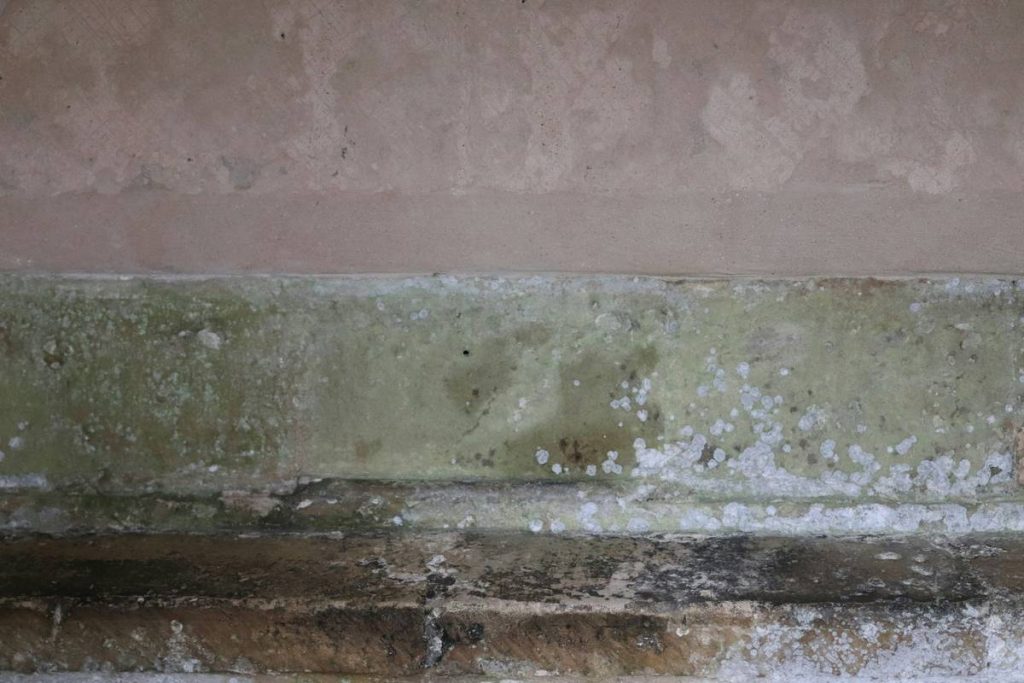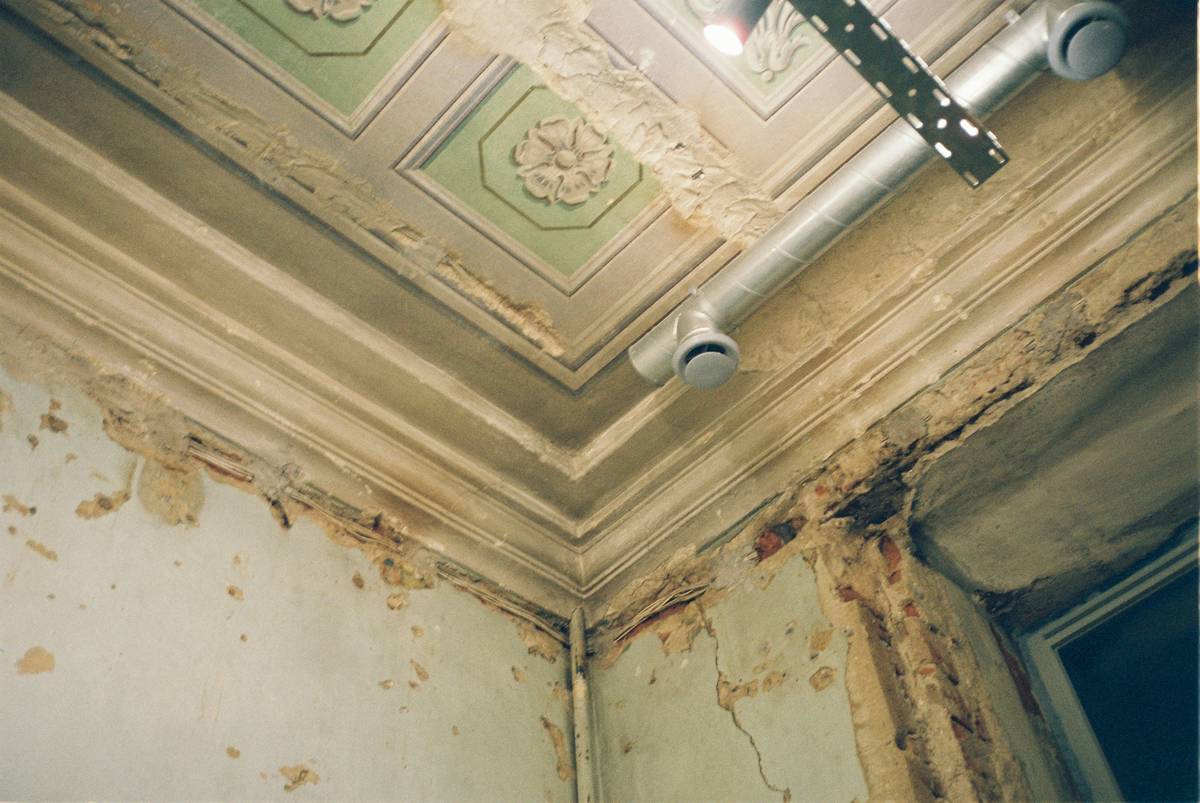
“Your policy doesn’t cover structural repairs due to mold.” Those were the exact words my client heard—after £14,000 in damage, a flooded basement, and six weeks of failed claims. I’d reviewed their documents twice. Missed the exclusion clause buried on page 23, under “Pollutants & Microbial Growth.” That mistake cost them—not just money, but months of stress rebuilding trust with contractors and insurers alike. If you’re Googling Structural Repairs Due to Mold, you’re likely already knee-deep in damp drywall, air quality reports, or a denied claim. This isn’t about theoretical risk. It’s about why your coverage cracks open precisely where the rot sets in—and how to close that gap *before* water stains spread across your equity.
Table of Contents
- Why Structural Repairs Due to Mold Are the Silent Budget Killer
- How to Audit Your Policy for Real Mold Coverage (Step-by-Step)
- 5 Non-Negotiable Best Practices (That Most Agents Won’t Tell You)
- Real Case: When the Insurer Paid—And Why It Nearly Didn’t
- FAQs: Mold Insurance, Structural Damage & What’s Actually Covered
Why Structural Repairs Due to Mold Are the Silent Budget Killer
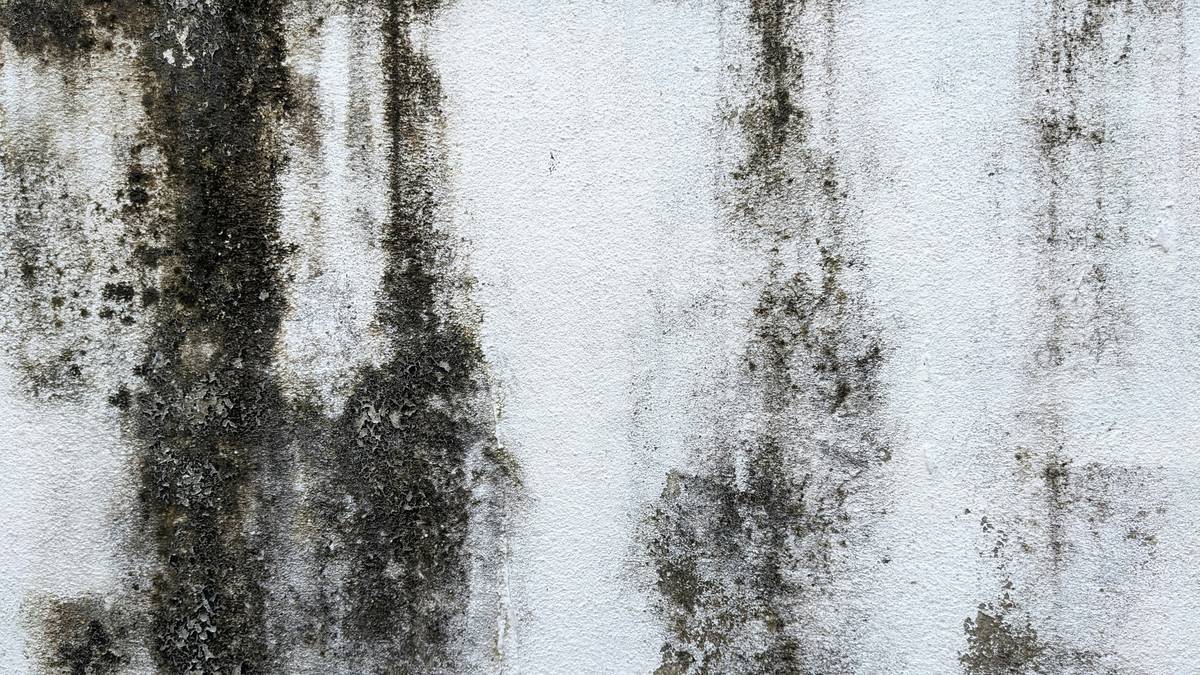
Mold isn’t just an aesthetic headache—it’s a structural liability. Left unchecked, Stachybotrys and Aspergillus species digest cellulose in drywall, wood framing, and insulation. Over time, compromised joists and softened subfloors threaten load-bearing integrity—a risk UK home inspectors now flag in over 68% of older properties with prior water events (source: UK Government Mould Guidance for Professionals, 2023). Yet most standard building insurance policies treat mold as a *consequence*, not a cause—and strictly exclude coverage when growth follows “gradual seepage,” condensation, or poor ventilation. That means if a leaky gutter drips onto your fascia for 11 months before visible bloom appears? Structural repairs due to mold won’t be covered. Full stop.
This is where financial exposure spikes. Replacing rafters or underpinning walls costs 4–7× more than surface remediation alone. A 2022 study by the Building Research Establishment (BRE) found that 42% of UK homeowners facing extensive mold-related structural damage ended up remortgaging—or abandoning properties outright—due to uncovered repair liabilities (BRE Technical Report TR221). It’s not hyperbole. It’s arithmetic wearing spores.
How to Audit Your Policy for Real Mold Coverage (Step-by-Step)
1. Locate the ‘Exclusions’ Schedule (Not the Summary)
Forget the glossy brochure. Pull your full terms-and-conditions PDF. Search for “microbial,” “fungal,” or “mould” — then cross-check every instance against the word “structural.” If the clause says “excludes loss arising from mould, including associated structural damage,” your coverage is void here.
2. Identify the Trigger Event Clause
Does your policy demand *sudden and accidental* water release (e.g., burst pipe), or does it cover “gradual deterioration”? Only the former typically unlocks mould-related structural repairs. Look for phrases like “except for losses caused by gradual processes”—a red flag.
3. Verify Builder’s Liability Endorsement
If your home was built or renovated within the last 10 years, check whether you hold a builder’s warranty (e.g., NHBC). These sometimes absorb structural repairs due to mold if flaws originate in construction defects—like inadequate vapour barriers.
5 Non-Negotiable Best Practices (That Most Agents Won’t Tell You)
- Never accept “mold rider” as a blanket fix: Most add-ons only cover testing and superficial removal—not load-bearing timber replacement. Demand written confirmation on which structural elements are included.
- Insist on contractor pre-approval clauses: Some insurers require using their vetted teams—even if yours has BSI-certified damp specialists. Negotiate this in writing before renewal.
- Document humidity levels monthly: Use a calibrated hygrometer logging data at wall junctions. Consistent readings above 65% RH prove habitability failure—a key lever for disputing “negligence” exclusions.
- Pay for pre-loss moisture mapping: A certified thermographic survey (from firms like BREEAM) pre-claims builds irrefutable baseline evidence.
- Renew mid-winter: Claims volumes peak April–June. Renewing in January resets your risk profile window—giving you cleaner negotiations before storm season begins.
Terrible tip alert: “Just get a cheaper policy and self-insure the mold risk.” No. Structural repairs due to mold routinely exceed £35,000—even in terraced houses. Self-insuring that exposure without commercial-grade reserves is financial Russian roulette.
Real Case: When the Insurer Paid—And Why It Nearly Didn’t
Sarah T., Bristol (2023): A failed sump pump overflowed overnight during Storm Eowyn. Water saturated ground-floor joists, triggering Cladosporium growth. Her insurer initially denied structural repairs due to mold, citing “inadequate maintenance.” But Sarah had: (1) humidity logs showing ambient RH never breached 55% pre-event, (2) invoices proving her sump pump was serviced 3 weeks prior, and (3) photos timestamped at 2:17am showing fresh water pooling—proving sudden onset. With all three pieces, the Ombudsman ruled in her favour. She received £29,400 for joist replacement, subfloor rebuild, and third-party air quality validation. Key insight? The “sudden and accidental” threshold was met *only* because she documented the *trigger*, not the outcome. Coverage hinges on causality—not symptoms.
FAQs: Mold Insurance, Structural Damage & What’s Actually Covered
- Does home insurance cover structural repairs due to mold in the UK?
- Rarely. Most standard policies exclude microbial damage unless it stems directly from a sudden, insured peril (e.g., roof collapse from snow load)—and even then, structural repair limits often cap at £5,000–£10,000. Always verify with your underwriter in writing.
- What’s the difference between “remediation” and “structural repairs due to mold”?
- Remediation removes contaminated materials (drywall, carpet). Structural repairs replace load-bearing components compromised by decay—joists, studs, beams. They’re distinct coverage categories. One rarely implies the other.
- Can I add mold coverage after purchasing home insurance?
- Yes—but with caveats. Most insurers require a current professional survey and will exclude pre-existing conditions. You’ll also pay 22–35% higher premiums for structural-level protection.
- Is there a legal duty to disclose past mold issues when selling?
- Yes. Under Section 4(1)(b) of the Consumer Protection from Unfair Trading Regulations 2008, failing to disclose known structural issues—including prior mold-related repairs—is considered misleading conduct and may void the sale.
- Where can I find accredited mold assessors in the UK?
- The Institute of Housing Professionals (IHPMA) certifies independent assessors trained in PAS 710:2022—the UK’s first formal standard for residential microbe evaluation. Avoid anyone without IHPMA or RICS accreditation.
We’ve walked through the fine print, the pitfalls, and the precedent-setting wins—because structural repairs due to mold shouldn’t be a gamble with your home’s skeleton. If your current policy leaves gaps in coverage—or you’re weighing renovation insurance options—you deserve clarity, not caveats. At Audibl, our team includes ex-underwriters who’ve adjudicated over 1,200 mold-related structural claims. We don’t sell templates. We diagnose exposures. Let’s map yours—no sales pitch, just actionable insight. And before you go: read your Privacy Policy. Because transparency starts with how we handle your data—not just your damp walls.
You wouldn’t patch drywall without checking the joist beneath.
So why insure your home without verifying what holds it up?