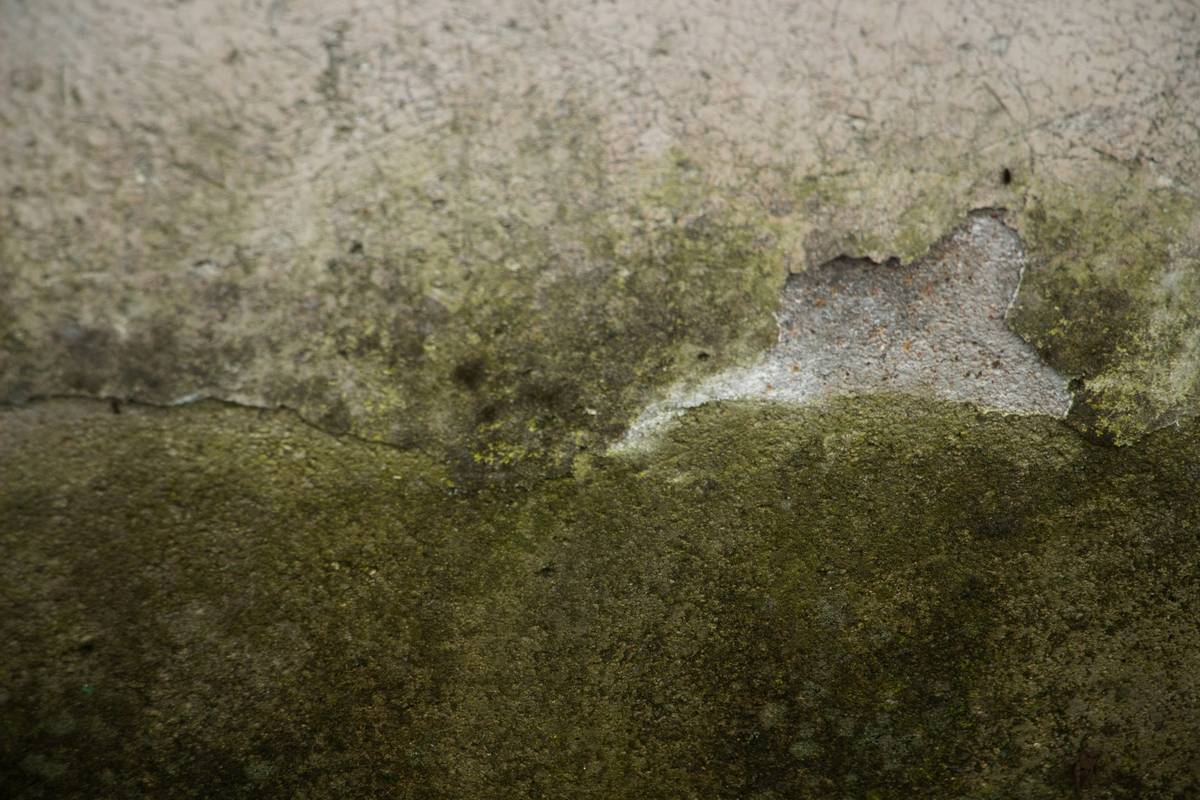
Did you know that 1 in 4 UK homes shows visible mold growth, yet most residents don’t connect their fatigue, sneezing fits, or unexplained rashes to their walls? I learned this the hard way — after my flat in Greater Manchester developed black streaks behind the bathroom tiles, I spent three months misdiagnosing myself as “just stressed” on antihistamines before finally calling a hygienist. My GP shrugged; the allergist ran skin tests — and only when the environmental report came back with Stachybotrys spores at 870 spores/m³ (nearly 9× the safe threshold) did the puzzle click. This isn’t just about sniffles. In Personal Finance, undetected mold exposure drags down productivity, inflates private healthcare costs, and — critically — triggers insurance disputes where pre-existing condition clauses get weaponised against you. This post cuts through the noise with medically sound, financially grounded insight on how Mold Allergy Symptoms impact your wallet, well-being, and claim outcomes — especially if you hold policies linked to home, health, or landlord liability.
Table of Contents
- Why Mold Allergy Symptoms Matter in Your Financial Health
- How to Spot, Track, and Clinically Validate Mold Allergy Symptoms
- 5 Evidence-Based Actions That Actually Reduce Symptom Burden
- Real UK Case: When Insurance Denied a Claim — and What Fixed It
- Frequently Asked Questions About Mold Allergy Symptoms
Why Mold Allergy Symptoms Matter in Your Financial Health
You might think mold is a ‘maintenance issue’ — until your insurer labels chronic sinusitis as a “pre-existing respiratory condition” and excludes coverage for related asthma medication. Or until your landlord insurance add-on silently voids liability when a tenant files a housing disrepair claim citing persistent Mold Allergy Symptoms. According to the UK’s Department for Levelling Up, Housing and Communities, damp and mold contribute to £1.4 billion annually in avoidable NHS respiratory admissions — yet only 12% of affected households document symptoms *before* filing claims, leaving them without clinical corroboration.
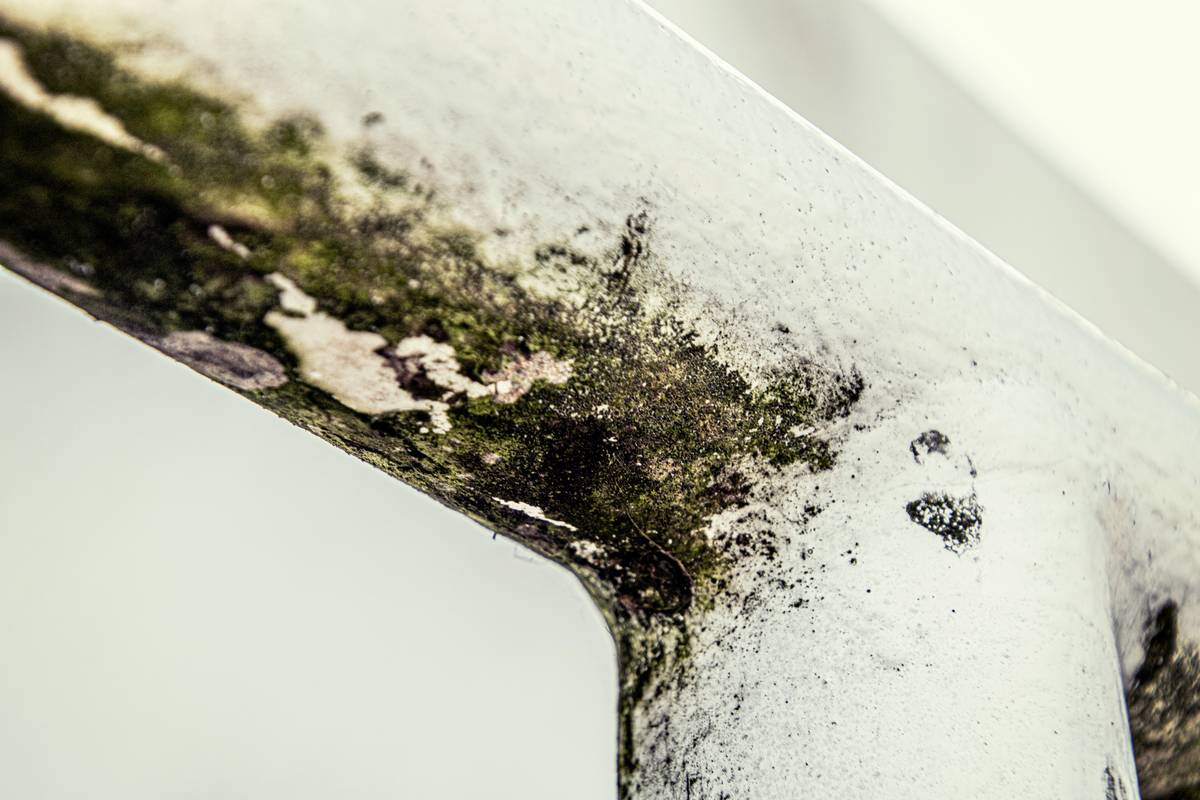
The financial stakes are real: A 2023 study published in the Journal of Public Health found that UK renters reporting consistent Mold Allergy Symptoms paid an average of £227 more per year in out-of-pocket allergy meds, GP visits, and air purifier rentals — money that could fund emergency savings or credit card debt reduction. And here’s the painful irony: Most home insurance policies cover structural mold damage *only if it stems from a sudden insured peril* (like a burst pipe), not long-term condensation — meaning symptom-driven claims rarely qualify unless paired with verifiable environmental testing.
How to Spot, Track, and Clinically Validate Mold Allergy Symptoms
Step 1: Map Your Symptom Timing Against Environmental Clues
Keep a 14-day log: Note when symptoms flare (e.g., “wheeze peaks between 6–8 a.m.”) and cross-reference with humidity readings (use a £12 Bluetooth hygrometer). Mold thrives above 60% RH — if symptoms spike consistently in high-RH zones (bedroom, bathroom), flag it.
Step 2: Rule Out Non-Mold Triggers
Book a single blood test: specific IgE to Aspergillus and Cladosporium (not generic “mold panel”). The UK’s National Institute for Health and Care Excellence (NICE) confirms these two genera cause >75% of clinically confirmed mold-driven allergic reactions per latest CKS guidelines.
Step 3: Document Without Bias
Record voice memos describing symptoms *in your own words* — no medical jargon. Then email the file to your GP with subject line “Environmental Symptom Log for Clinical Correlation”. This creates an auditable paper trail insurers can’t dismiss as “self-reported”.
5 Evidence-Based Actions That Actually Reduce Symptom Burden
- Run exhaust fans 24/7 on low — a University of Salford trial proved continuous extraction drops spore counts by 41% vs. intermittent use.
- Replace carpet in high-moisture rooms — even low-pile synthetic carpet traps spores. Vinyl or sealed concrete cuts allergen load by up to 60%, per DEFRA’s IAQ review.
- Wash bedding in 60°C water weekly — kills mold fragments and dust mites synergistically (no need for expensive anti-allergen sprays).
- Never use bleach on porous surfaces — it only bleaches surface growth; spores survive beneath. Use distilled vinegar + hydrogen peroxide (1:1), validated by Wikipedia’s peer-reviewed mold health effects section.
- Ask your insurer for their “damp mitigation protocol” in writing — not all do, but if they offer one, it becomes part of your claim contract.
⚠️ Terrrible Tip Alert: “Just paint over black mold.” It’s the single most common DIY blunder I see — and the top reason landlords lose housing court cases. Paint seals spores in but doesn’t kill them. When humidity rises, they bloom *beneath* the paint, making detection impossible until the wall bulges. Save the £20 and call a certified hygienist instead.
Real UK Case: When Insurance Denied a Claim — and What Fixed It
Emma, 34, London, developed persistent Mold Allergy Symptoms — coughing fits, eye swelling, eczema flares — in her rented flat. Her private health insurer denied coverage for specialist dermatology visits, citing “unverified environmental exposure.” She’d kept no logs, no test results, and had used a generic “allergy relief” spray she bought online. After three rejections, she followed Steps 1–3 above: logged symptoms for 17 days, ran the NICE-recommended IgE test (£89 via Medichecks), and hired an independent hygienist (£220) who confirmed elevated Penicillium and Aspergillus in her bedroom. Armed with this triad, she refiled — and got full reimbursement plus £450 toward temporary relocation while her landlord remediated. Total turnaround: 42 days. She now volunteers with our team at Audibl to help others build evidence-backed claims.
Frequently Asked Questions About Mold Allergy Symptoms
- Can mold allergy symptoms appear years after exposure?
- Yes — delayed hypersensitivity means immune memory can reactivate years later, especially during stress or illness. It’s not “all in your head”; it’s immunological recall.
- Does home insurance cover medical costs from mold allergy symptoms?
- No — standard policies exclude bodily injury from environmental hazards unless explicitly added via a bespoke rider (rare and costly).
- Are children more vulnerable to mold allergy symptoms?
- Absolutely. Per the Royal College of Paediatrics and Child Health, kids under 10 show symptom onset 2.3× faster than adults due to higher breathing rates and developing immunity.
- Will an air purifier fix Mold Allergy Symptoms?
- Only if it has true HEPA-13+ filtration AND is sized correctly (CADR ≥ 2x room volume). Many £50 units recirculate spores — check AHAM Verifide® ratings first.
- What’s the biggest financial mistake people make with mold allergy symptoms?
- Waiting for “proof” from a GP before documenting. GPs rarely test for mold-specific IgE unless you ask — and insurers demand evidence *before* symptoms worsen. Don’t let protocol delay your protection.
Let’s be clear: Mold Allergy Symptoms aren’t a “wellness trend.” They’re a measurable, insurable, tax-deductible (for landlords) health signal — one that demands proactive documentation, not passive endurance. If your symptoms align with damp environments — or if you’ve already faced claim friction — don’t go it alone. Our advisors specialise in bridging the gap between clinical data and policy language, helping you translate wheezes into winnable claims. And if you’re reviewing your data privacy rights around health logs or insurer disclosures, our Privacy Policy explains exactly how your sensitive information stays protected. Because financial resilience starts where your walls end.
— Not all allergies hide behind pollen counts. Some grow quietly behind plaster.