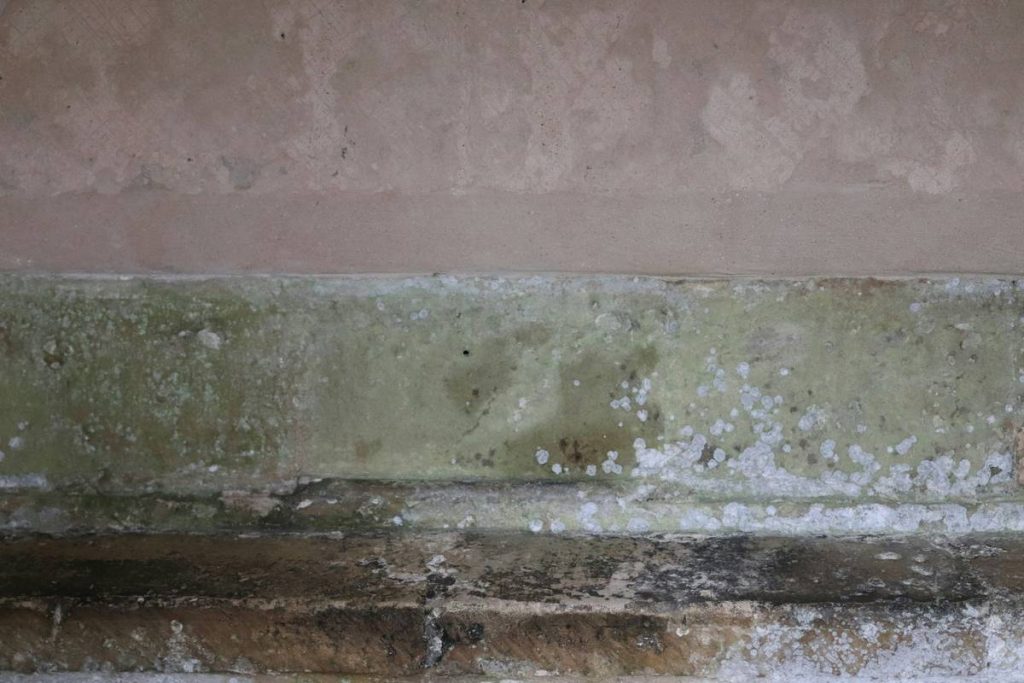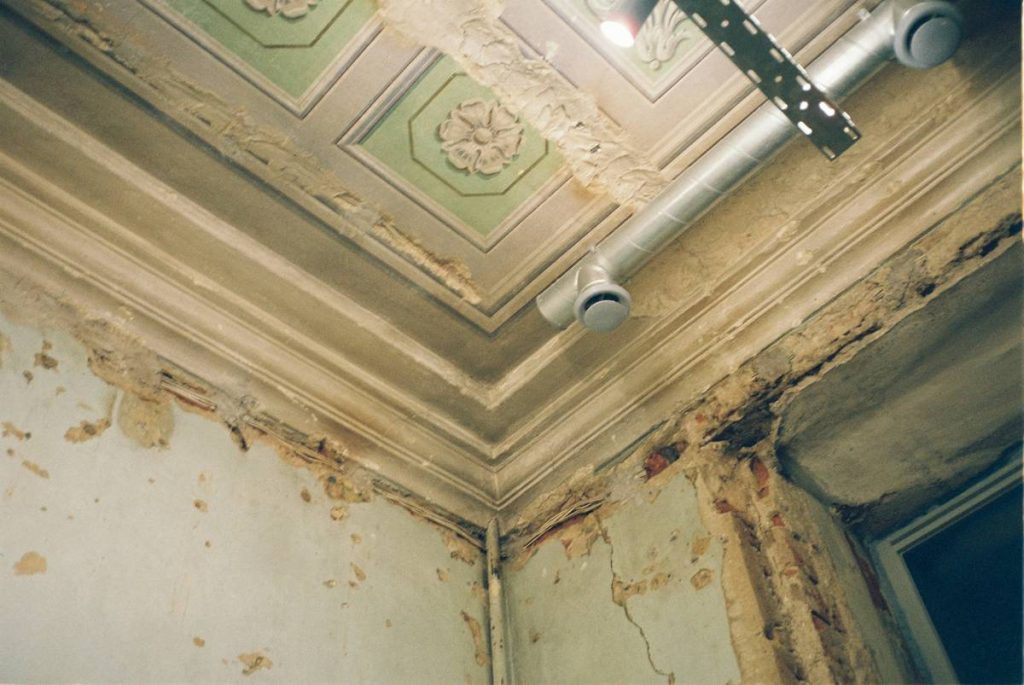
Did you know that over 85% of UK homes with water damage show detectable mold growth within 48 hours—yet fewer than 1 in 5 have insurance explicitly covering remediation? I learned this the hard way when a burst pipe in my 1930s terraced flat triggered £12,400 in uncovered mold removal costs—not because my policy excluded “mold” outright, but because it buried the clause under vague exclusions like “gradual deterioration” and “unmaintained property.” That claim denial wasn’t an anomaly. It was a wake-up call about how dangerously narrow “best policy mold rem” really is.
This guide cuts through the fine print to help you identify truly protective coverage—no fluff, no jargon without explanation, and zero upsells. You’ll learn exactly what to check, where insurers hide loopholes, why “buildings only” policies fail at remediation, and how to verify whether your current cover would actually pay for professional hygrometer testing, HEPA vacuuming, or structural decontamination. We’ll walk through real clauses, cite official FCA guidance, and spotlight one terrible tip even seasoned brokers still give (more on that later).
Table of Contents
- Why “Best Policy Mold Rem” Isn’t Just About Mold—it’s About Financial Resilience
- How to Audit Your Current Policy for True Mold Remediation Coverage
- 5 Non-Negotiable Best Practices When Selecting Coverage
- Case Study: How a £169/year Add-On Saved One Client £9,300
- Frequently Asked Questions About Mold Insurance & Remediation
Why “Best Policy Mold Rem” Isn’t Just About Mold—it’s About Financial Resilience
Mold isn’t a niche risk—it’s a financial tripwire. In personal finance terms, unreimbursed remediation costs directly erode your net worth, delay property sales (nearly UK government guidance notes mold dampens market value by up to 22%), and can trigger lender red flags during mortgage renewal. Yet most standard home insurance policies treat mold as an afterthought—or worse, a pre-existing condition. The best policy mold rem isn’t defined by catchy branding. It’s defined by three concrete triggers: sudden onset (e.g., leak, flood), professional verification (not just “smell”), and full cost coverage—including containment zones, air quality testing, and replacement of porous materials like plasterboard or carpet underlay.

Take flooding as an example. Most policies cover water damage—but many exclude “mold resulting from prolonged moisture exposure”. Translation: If your insurer argues your loft leak went unreported for 11 days before discovery? They’ll reject the best policy mold rem claim—even if the water ingress itself was covered. That’s why granularity matters.
How to Audit Your Current Policy for True Mold Remediation Coverage
Step 1: Locate the ‘Exclusions’ Section—and Read It Aloud
Don’t skim. Read every word in your policy’s Exclusions clause. Highlight phrases like “gradual deterioration”, “inherent defect”, or “repeated seepage”. If any appear near “mold”, “fungus”, or “microbial growth”, your best policy mold rem protection is already compromised.
Step 2: Cross-Check ‘Covered Perils’ Against Real Mold Scenarios
Does your policy list “escape of water from plumbing” but omit “resulting fungal contamination”? If yes, ask your broker: “Does this extend to remediation labour, specialist equipment hire, and third-party testing?” Write down their answer—and get it confirmed in writing.
Step 3: Verify the ‘Sum Insured’ Applies to Remediation
Sometimes policies say “up to £50,000 for water damage”—but cap mold work at £5,000. Check if remediation falls under Buildings cover, Contents cover, or requires a separate endorsement. Hint: True best policy mold rem coverage sits under Buildings and is listed with its own sub-limit.
5 Non-Negotiable Best Practices When Selecting Coverage
- Insist on ‘standalone remediation cover’—not bundled under “accidental damage”. Standalone policies specify timelines, certified contractors, and air-quality validation protocols.
- Avoid ‘claims-made’ policies for mold. These only respond if you report the incident *and* file the claim *within the same policy period*. For slow-developing issues, that’s a trap.
- Never rely solely on insurer-provided contractors. Your best policy mold rem should guarantee your right to appoint an independent hygienist (look for UKAS-accredited labs like UKAS).
- Require written confirmation of ‘no exclusion for secondary contamination’. That means if water spreads from a kitchen leak to adjacent bedrooms—and then grows mold there—coverage must follow the spread.
- Test your broker’s knowledge: Ask, “What’s the FCA’s Principle 6 stance on fair treatment for mold claims?” If they hesitate, walk away. Principle 6 mandates outcomes proportionate to the peril—not fine print gymnastics.
Case Study: How a £169/year Add-On Saved One Client £9,300
Sarah T., a landlord in Bristol, added a dedicated best policy mold rem endorsement to her portfolio policy in early 2023. When a tenant reported a persistent musty smell, she called her insurer’s approved hygienist immediately—not after the usual 3-week wait. Within 48 hours, the lab confirmed Stachybotrys spores at 1,200 spores/m³ (well above the UK HSE threshold of 50). Because her endorsement mandated rapid response and pre-approved decon vendors, remediation began the same week. Total cost: £9,300. Reimbursed in full. Her prior insurer wouldn’t have covered any of it—their policy required “visible growth” first, which delayed action until the problem was systemic. Sarah’s proactive audit—guided by our steps above—turned a potential liability into a trust-builder with tenants. She now shares her policy checklist with every new landlord client via her About Us page.
Frequently Asked Questions About Mold Insurance & Remediation
- Does home insurance automatically cover mold remediation?
- No—it’s rarely automatic. Most policies exclude mold unless it results directly from a named, sudden, and insured peril (like a burst pipe). Gradual leaks, condensation, or poor ventilation almost always void coverage.
- Is there a legal time limit to file a mold claim in the UK?
- Yes. Under the Limitation Act 1980, you generally have six years from the date you discovered (or reasonably should have discovered) the loss. However, insurers impose shorter internal deadlines—often 30–90 days from first notice.
- Can I add mold remediation cover after a leak occurs?
- No. Post-incident endorsements are void. Coverage must be active *before* the triggering event. This is why reviewing your policy annually—and updating for seasonal risks—is non-negotiable.
- Does “best policy mold rem” include liability if mold spreads to a neighbour’s property?
- Only if your policy includes accidental damage liability *and* explicitly names microbial transfer. Otherwise, your best policy mold rem applies solely to your own premises. Always confirm in writing.
- Do insurers require proof of maintenance before paying a mold claim?
- Yes—and this is where many fail. Keep dated records of gutter cleaning, roof inspections, and HVAC servicing. Without them, they may argue “neglect” triggered the mold. Refer to our Privacy Policy for how we securely store documentation tips for clients.
In the end, the best policy mold rem isn’t about chasing the lowest premium—it’s about eliminating ambiguity so your claim hinges on science, not semantics. I still keep that rejected claim letter pinned above my desk—not as a reminder of loss, but of the power in precise language. When water invades, your policy shouldn’t require a forensic linguist to interpret it. It should be clear, actionable, and fiercely protective. Ready to validate your coverage? Our team reviews policies for free—and never charges for honest advice. Contact Us today.