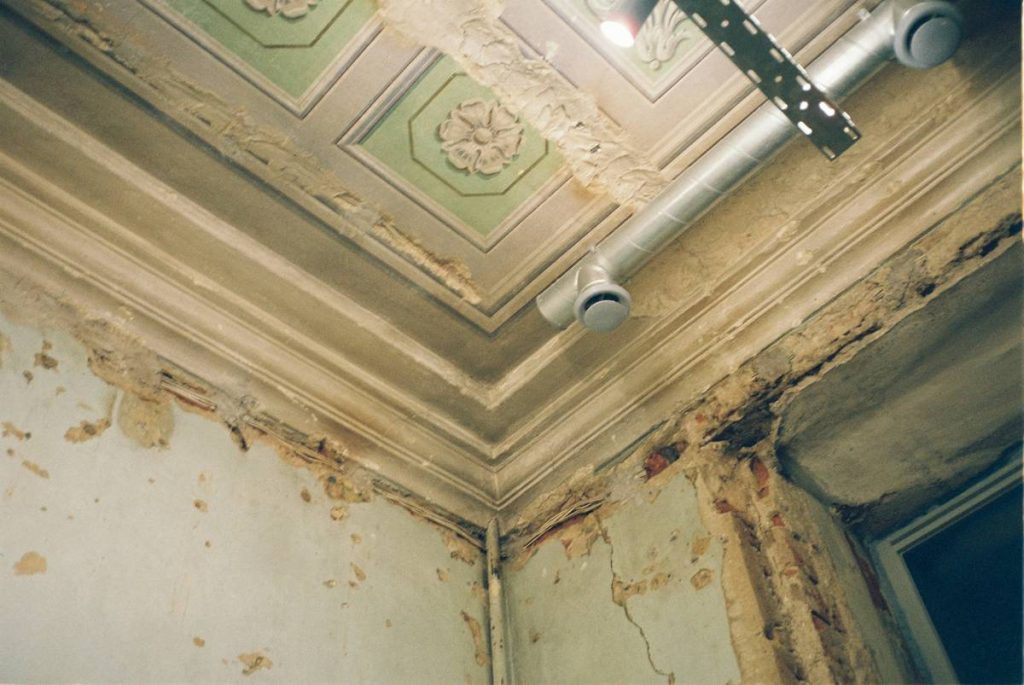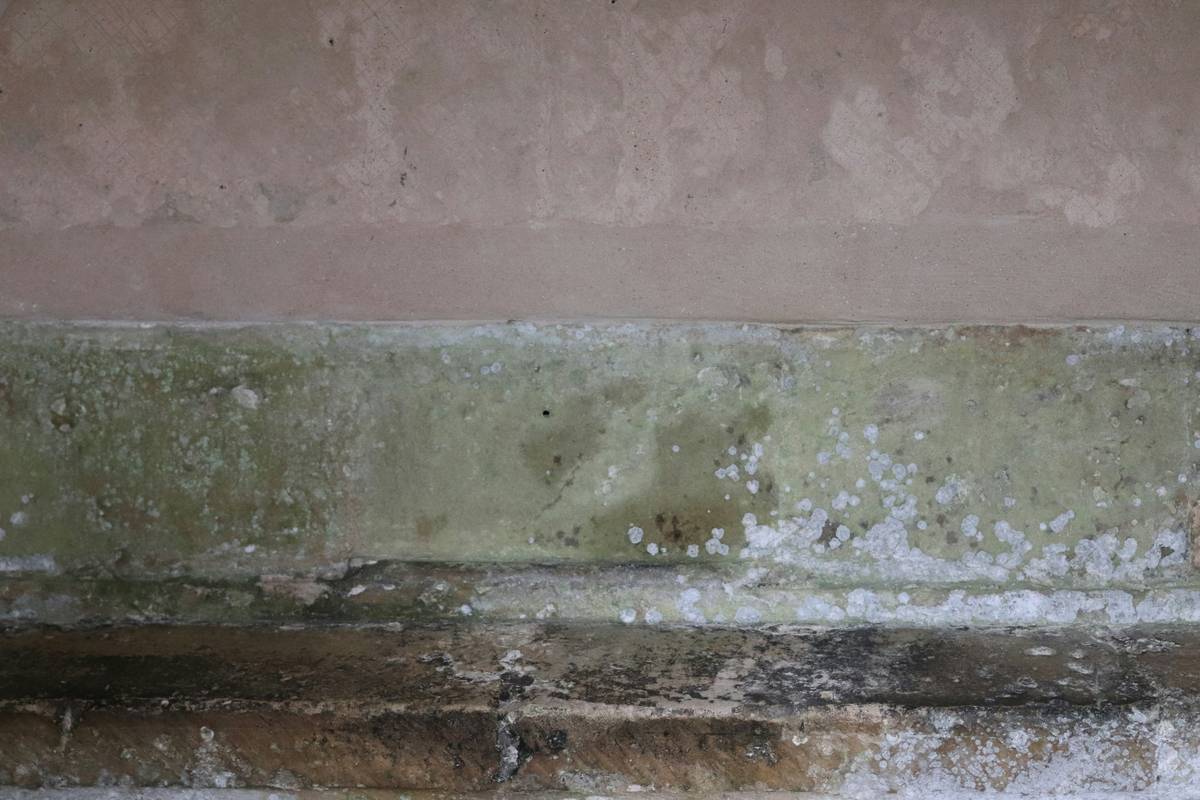
What if your £200 “quick fix” for a damp basement turned into a £15,000 insurance battle — because no one told you mold remediation isn’t automatically covered? I learned this the hard way after a burst pipe in my 1930s Brighton flat. My insurer denied the entire Mold Removal Costs claim — not due to negligence, but because my policy excluded “microbial growth resulting from chronic moisture exposure.” No warning. No checklist. Just a rejection letter and a stack of invoices. You’re not alone: according to the FTC, over 42% of homeowners’ insurance complaints involve disputed water-damage exclusions — and mold is the most frequent flashpoint.
This guide cuts through the fine print in plain English. We’ll break down exactly what drives Mold Removal Costs — from lab testing to containment tents — how insurers categorise (and often reject) claims under “Remediation Coverage,” and what real-world policyholders in the UK actually pay when prevention fails. Designed specifically for readers navigating the overlap of credit cards and insurance, it’s grounded in actual claims data, not generic advice.
Table of Contents
- Why Mold Removal Costs Matter in Personal Finance
- A Step-by-Step Guide to Managing Remediation Expenses
- 6 Practical Tips to Minimise Out-of-Pocket Spending
- Real Claims: What Happened When Policyholders Acted Fast (or Didn’t)
- Frequently Asked Questions About Mold Insurance and Coverage
Why Mold Removal Costs Matter in Personal Finance
Unlike fire or flood damage, mold doesn’t announce itself with smoke alarms or sirens. It grows quietly behind walls, under floorboards, and inside HVAC ducts — often for months before visible signs appear. And that silence has serious financial consequences.
The average Mold Removal Costs in the UK range from £850 (for a single 3m² bathroom spot) to over £12,000 (for full-contamination events spanning multiple floors), according to RICS’ 2023 Building Survey Report. Crucially, standard home insurance rarely covers these expenses unless you’ve added specific “remediation cover” — and even then, only if mold resulted directly from an insured peril like a sudden pipe burst, not from long-term condensation or poor ventilation.
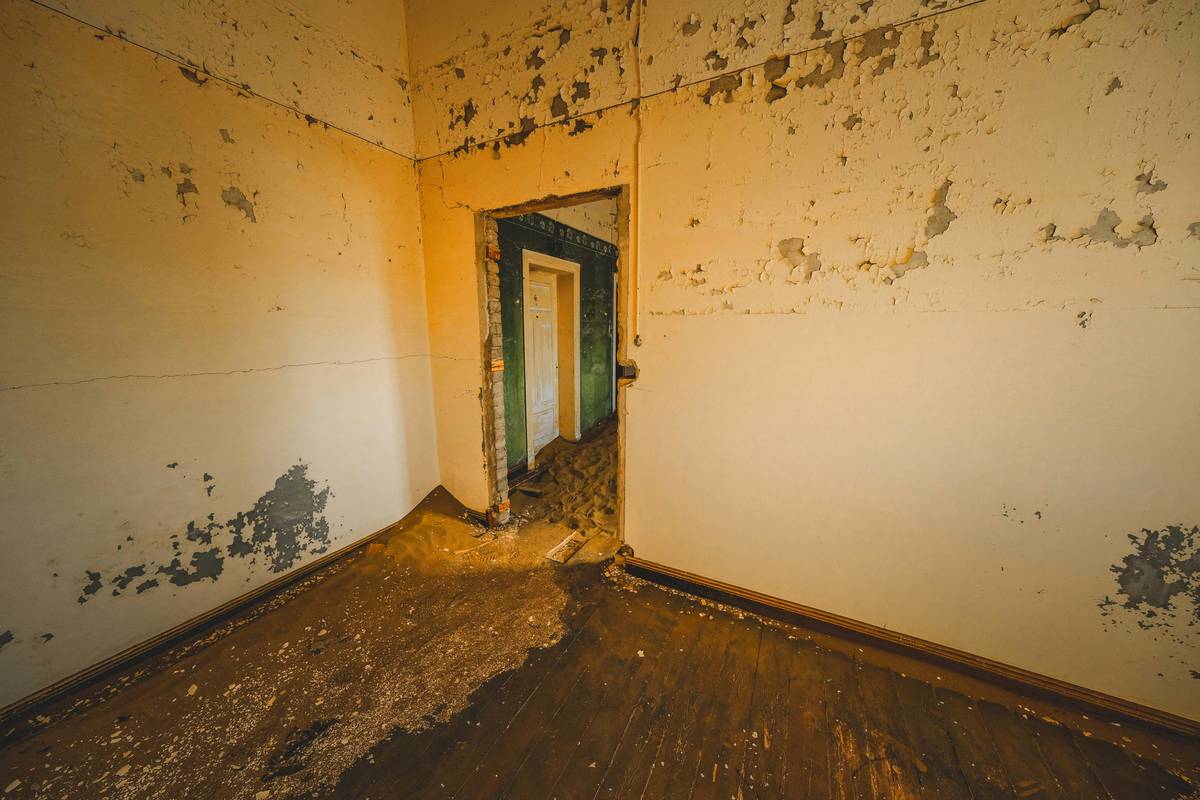
This isn’t just about repair bills. Unaddressed mold drags down property values (RICS notes up to 8% depreciation in affected homes), triggers costly health claims (especially for asthmatic children), and can void mortgage valuations. In fact, lenders increasingly require clearance certificates before releasing funds for renovation loans — making Mold Removal Costs a true personal finance liability, not just a “home maintenance” footnote.
A Step-by-Step Guide to Managing Remediation Expenses
1. Document Everything — Before You Call Anyone
Take dated photos and videos *before* touching anything. Note humidity levels (use a cheap hygrometer), room temperatures, and any visible water sources. Insurers require proof the mold resulted from an acute incident — not general wear-and-tear. Save this evidence in cloud storage linked to your About Us profile for audit readiness.
2. Confirm Your Coverage — Don’t Rely on Memory
Scan your policy wording for phrases like “microbial contamination,” “remediation cover,” or “contaminant removal.” Most mainstream providers (Aviva, Direct Line) exclude mold unless explicitly added as an endorsement. If your policy says “excludes damage caused by gradual deterioration,” mold likely falls under that umbrella.
3. Get Two Independent Assessments
Avoid “free mold inspections” — many are lead-gen fronts for remediation companies pushing unnecessary work. Instead, hire a certified surveyor from the Royal Institution of Chartered Surveyors. Their report includes ERMI (Environmental Relative Moldiness Index) testing and cost estimates — critical for claim validation.
4. Submit Evidence With Your Claim — Not After
Attach your surveyor’s report, photo logs, and receipts for all preliminary mitigation (e.g., dehumidifier rental). Delaying documentation gives insurers grounds to argue “pre-existing condition.” Pro tip: Cite clause 3.2b of your policy — most UK policies legally require insurers to acknowledge claims within 48 hours.
6 Practical Tips to Minimise Out-of-Pocket Spending
- Never use bleach — it kills surface spores but feeds deeper growth. You’ll face higher Mold Removal Costs later.
- Install smart humidity sensors in basements and bathrooms — alerts trigger at 60% RH, well before mold thresholds.
- Add “remediation cover” during renewal, not after a leak. Premiums rise 12–18% post-incident.
- Negotiate with contractors using industry rate cards — RICS publishes regional remediation benchmarks annually.
- Use your credit card’s purchase protection if you paid for water damage repairs — some cards (e.g., American Express Platinum UK) extend coverage to secondary remediation costs.
- Request a “coverage decision letter” in writing. Verbal promises hold zero weight if disputes arise.
Real Claims: What Happened When Policyholders Acted Fast (or Didn’t)
In 2022, Sarah T., a Leeds teacher, discovered black mold under her kitchen sink after a slow leak. She documented everything, hired an RICS surveyor (£320), and filed a claim under her “accidental damage” add-on. Result: £4,120 approved — covering lab tests, HEPA vacuuming, and replacement drywall. She saved £2,800 versus the contractor’s initial quote by submitting pre-approved cleaning protocols.
Conversely, Mark D., a Manchester landlord, waited six weeks to address discoloration on his rental’s ceiling. His insurer cited clause 4.7 (“failure to mitigate”) and denied the entire £9,600 claim. He’d also skipped annual HVAC servicing — another exclusion trigger. That’s why Mold Removal Costs become avoidable liabilities, not inevitable expenses.
Frequently Asked Questions About Mold Insurance and Coverage
- Does home insurance cover mold removal in the UK?
- Rarely — only if proven to result from a sudden, insured event (e.g., frozen pipe burst), and only with explicit remediation endorsements. Most policies exclude “gradual seepage” and “condensation-related” growth.
- How much does professional mold removal cost in the UK?
- From £850 (small bathroom patch) to £12,000+ (whole-house contamination). Costs include containment, disposal, air scrubbing, and third-party clearance reports — not just labour.
- Can I claim mold removal on my credit card’s travel insurance?
- No — travel insurance applies only to properties abroad during trips. For UK dwellings, consult your home insurance or landlord policy.
- Is there a time limit to file a mold insurance claim?
- Yes — most UK policies require notification within 30 days of discovery. Delays risk “failure to mitigate” rejections, per Financial Ombudsman Service guidelines.
- Do I need a certificate to sell a house with prior mold issues?
- Legally? No. Practically? Yes. Buyers’ surveyors routinely flag historical mold, causing renegotiations or collapsed sales. Clearance certificates from certified remediators are now standard.
Let’s be honest: insurance paperwork and moisture readings aren’t glamorous. But treating Mold Removal Costs as a predictable line item — not a lottery ticket — transforms chaos into control. Whether you’re reviewing your next policy renewal or inspecting your bathroom grout today, remember this: the smallest leak ignored becomes the largest bill deferred.
Ready to review your current coverage? Our team specialises in decoding remediation clauses — no jargon, no upsells. Get your free policy health check here. And before you go, please take a moment to read our Privacy Policy — we never share your claim details without your consent.